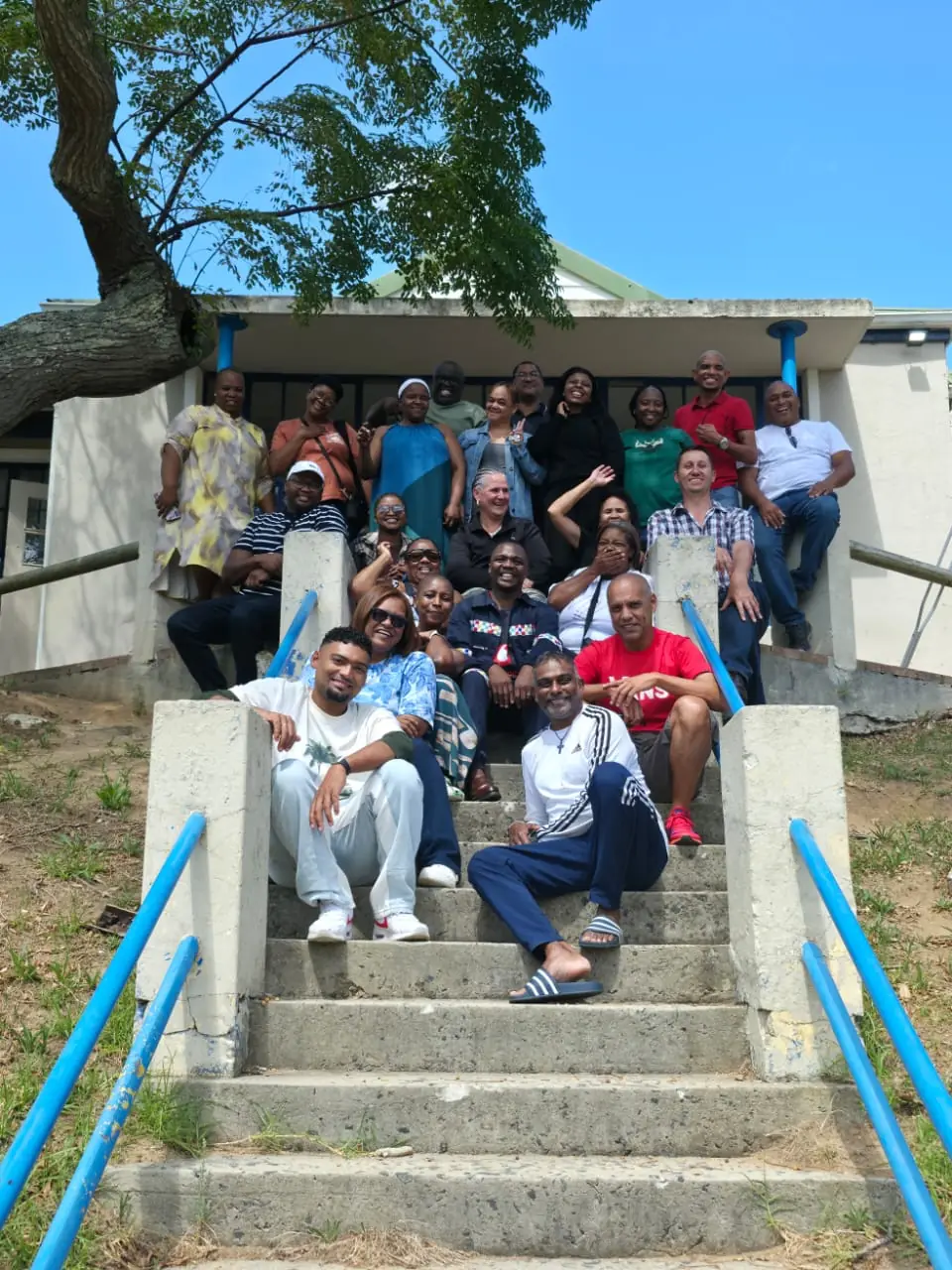
The reason some children become homeless adults
Ask our social workers where a life on the streets begins, and almost none of them will point to adulthood.
People often assume homelessness is something that happens to a person suddenly: a lost job, a bad month, one wrong turn. Sometimes it is. But in the stories we hear across our shelters, the roots reach much further back, into childhoods marked by neglect, loss, violence, or a home that simply stopped being a safe place to be.
A child who learns early that the adults around them cannot be relied upon learns something else too: that they are on their own. That lesson can harden into a wariness that follows them for decades, making it hard to trust a landlord, a boss, a partner, or, when the time comes, a social worker holding out a hand.
This is why we never treat a bed as the whole answer. The person in front of us is carrying a history, and reintegration means gently helping them set some of that weight down. Physical care and shelter come first, because you cannot rebuild a life while you are cold and afraid. But the real work is relational.
You are not just helping someone off the street. You are often the first adult in years who kept a promise.
On the roots of chronic homelessness
Understanding this changes how we work. It is why our fieldworkers keep showing up even when they are turned away, why our Personal Development Plans move at the pace of trust rather than paperwork, and why family reunification is so central to what we do. For many, going home is not only about a roof. It is about repairing a bond that broke a very long time ago.
None of it is quick. But every time a childhood wound is met with steadiness instead of another disappointment, a different future becomes possible. That is the work your support makes room for.
The people in our stories are real, but to protect their dignity and privacy these are told as representative journeys: names and identifying details are not shared.
Help write the next journey home
A warm bed tonight, and the patient work of a way home. Your gift is what makes journeys like this one possible.